Compare Local Contractors for Culvert Replacement Projects
Compare local contractors for culvert replacement to define project scope, verify experience, and establish clear expectations for a successful property improvement.
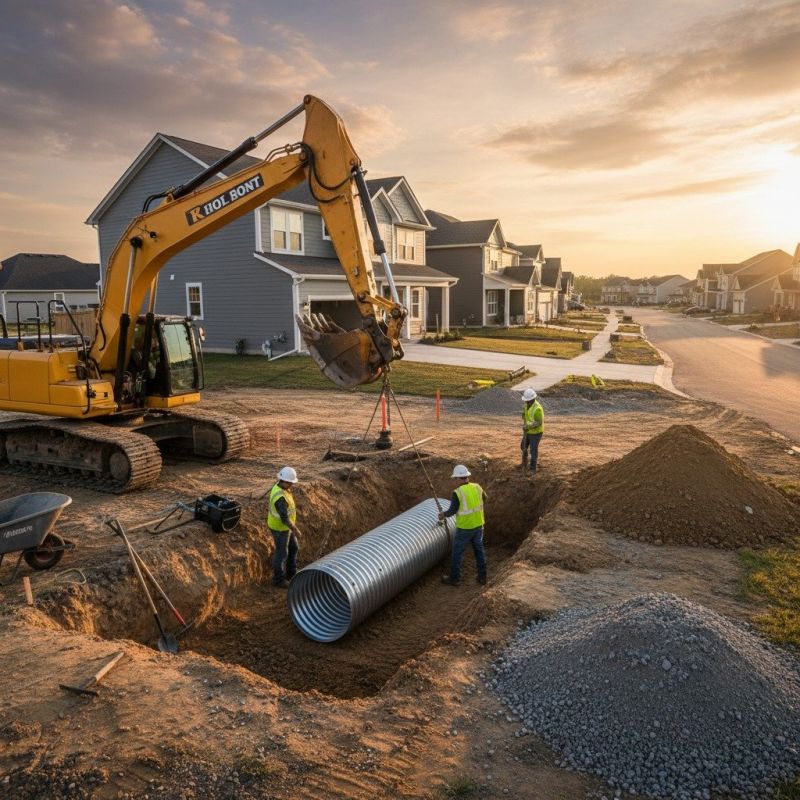
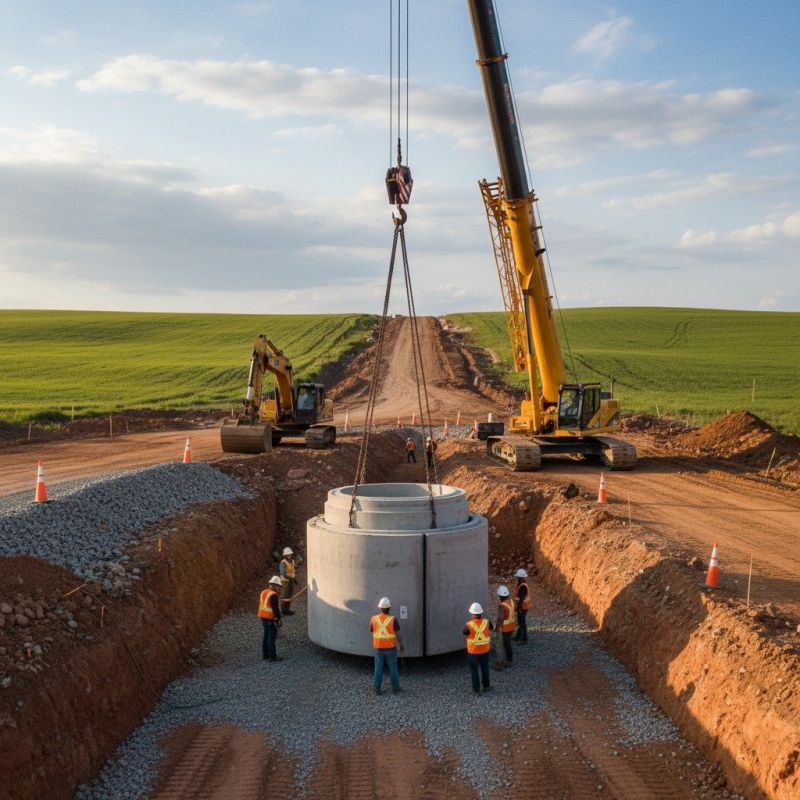
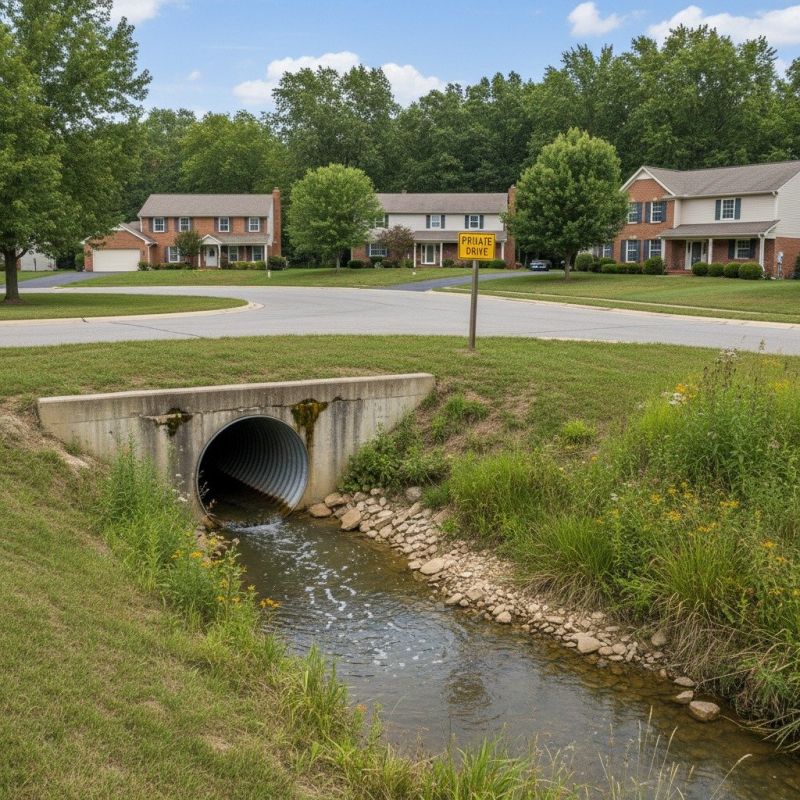
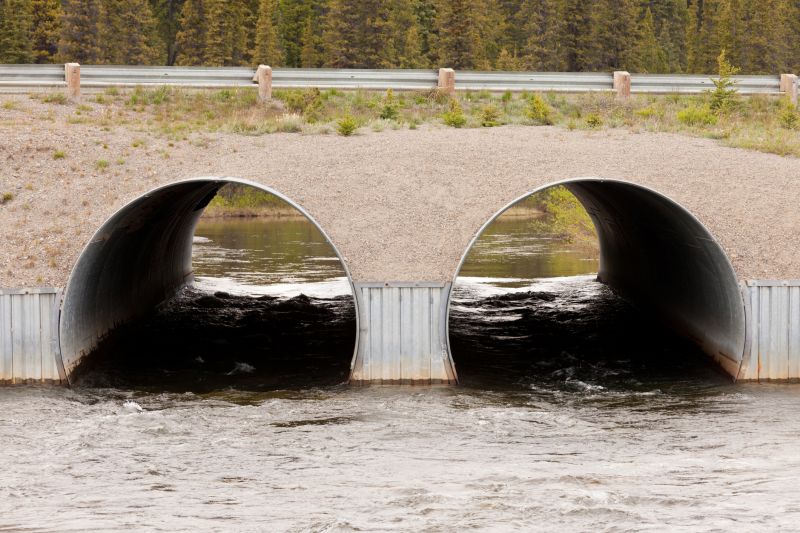
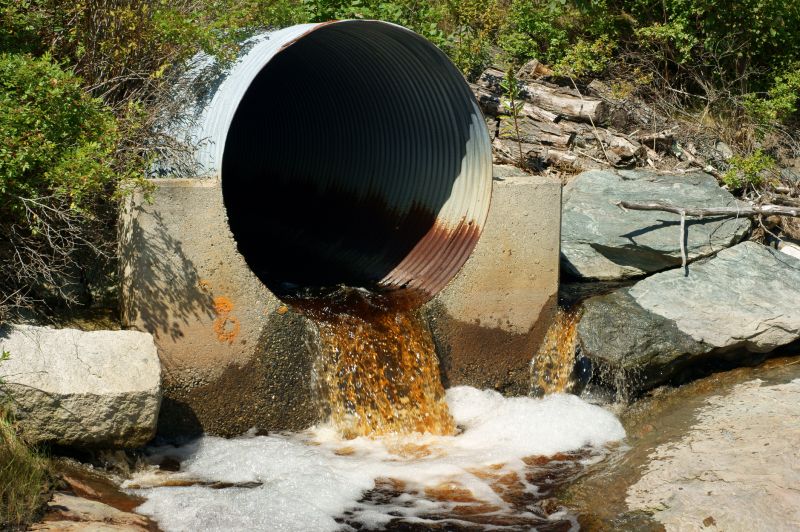
Contractors specializing in culvert replacement focus on removing and installing culverts that manage water flow beneath roads, driveways, and other property features. This work typically involves assessing existing culverts, excavating the area, and carefully installing new structures to ensure proper drainage and prevent flooding or erosion. Properly executed culvert replacement can improve property stability and accessibility, making it an important consideration for property owners dealing with aging or damaged drainage systems.
Defining the scope of a culvert replacement project is essential to ensure the work meets specific needs and prevents unexpected issues. A clear scope outlines the extent of excavation, the type of culvert material, size, and any additional site work or permits required. Having these details in writing helps property owners communicate expectations to contractors, compare proposals accurately, and avoid misunderstandings that could lead to delays or additional costs.
When comparing local contractors for culvert replacement, property owners should consider experience with similar projects, reputation within the community, and the level of detail provided in proposals. Verifying that contractors understand the scope and have a track record of reliable work can help ensure the project proceeds smoothly. Gathering multiple bids and reviewing each proposal carefully allows property owners to assess how well each service provider understands the project’s needs and how thoroughly they plan to approach the work.
Compare local contractors by outlining project priorities, verifying experience, and clearly defining scope in writing.
- Compare Contractor Experience - Review the background and project history of local contractors to ensure they have relevant experience with culvert replacement.
- Define Project Scope - Clearly outline the work to be done and expectations to help contractors provide accurate proposals.
- Verify Credentials - Check references and past project work to assess the reliability and quality of local service providers.
- Request Written Estimates - Obtain detailed, written descriptions of work to compare services and set clear expectations.
Before comparing contractors, clearly describe your culvert replacement project, scope, and expectations in writing.
- Verify experience and expertise in culvert replacement projects to ensure the contractor understands the scope and technical requirements. - Assess the contractor’s past work on similar projects to gauge their capability and reliability.
- Compare multiple local contractors to evaluate their service offerings, reputation, and customer feedback. - Ensure the service providers have a clear approach to planning and executing culvert replacements.
- Define the project scope in writing, including materials, methods, and specific responsibilities of each party. - Clarify expectations to prevent misunderstandings during the project.
- Check references or reviews to confirm the contractor’s track record with culvert replacements and project outcomes. - Look for consistency in quality and professionalism from previous clients.
- Discuss and document the project timeline, including start and completion expectations, to align on project milestones. - Establish clear communication and accountability throughout the process.
- Ensure the contractor provides a detailed written proposal outlining the work plan, materials, and any warranties or guarantees. - Use the proposal as a basis for comparison and to set clear expectations before work begins.
Compare local contractors to clarify scope, verify experience, and set clear project expectations.
Use consistent comparison criteria across local contractors to clearly define scope, verify experience, and set expectations in writing.
- Project Scope - Clearly define the specific work required for culvert replacement, including materials, dimensions, and site access considerations.
- Experience Verification - Identify service providers with relevant experience in culvert replacement projects of similar scope and complexity.
- Material and Equipment Specifications - Specify the types of materials and equipment needed, ensuring compatibility with existing infrastructure and project requirements.
- Worksite Conditions - Assess and document site conditions that may impact the work, such as terrain, drainage, and existing utilities.
- Written Agreement - Ensure all project details, expectations, and responsibilities are documented in a comprehensive written scope agreement.
When comparing contractors for culvert replacement, it is important to evaluate their experience with similar projects. Service providers who have completed culvert replacements in environments comparable to the site in question are more likely to understand the specific challenges involved. Inquire about the types of projects they have handled, the conditions they have worked in, and their familiarity with local regulations or site-specific considerations. A contractor’s proven track record with comparable work can provide confidence in their ability to manage the scope effectively and handle unforeseen issues that may arise during the project.
A clear, written scope of work is essential for ensuring that both the homeowner and the contractor share the same expectations. The scope should detail the specific tasks involved, materials to be used, and the extent of work to be completed. Having this information in writing helps prevent misunderstandings and provides a reference point throughout the project. When evaluating options, look for contractors who are willing to provide detailed proposals that outline each phase of the work, rather than vague descriptions. This clarity can facilitate better communication and help ensure the project stays aligned with the homeowner’s needs.
Verification of a contractor’s experience can be approached through multiple basic checks. Request references from previous clients for similar culvert replacement projects and follow up to learn about their satisfaction and the contractor’s performance. Additionally, confirm that the contractor has appropriate insurance coverage and understands local site conditions. Reviewing their portfolio of completed work or requesting case studies can also provide insights into their expertise and reliability. These verification steps help establish confidence that the service provider is capable of managing the project competently and responsibly.
When evaluating different service providers, it is important to consider how well their proposals align with the project’s scope and your expectations. Focus on the details included in their written plans, such as the proposed methods, materials, and project milestones. Clarify any ambiguities before making a decision to ensure the scope is comprehensive and realistic. Comparing the approaches of multiple contractors based on their experience, clarity of scope, and verification of past work can help identify the most suitable partner for the culvert replacement, ensuring the project is well-managed from start to finish.
Ask contractors to provide written scope details to ensure clear expectations and consistent project understanding.
- Experience and Credentials - What relevant experience do local contractors have with culvert replacement projects?
- Scope of Work - How do contractors define and clarify the specific scope of the culvert replacement?
- Comparison Criteria - What factors should be used to compare the qualifications and services of different local service providers?
- Project Expectations - How can expectations and deliverables be clearly outlined and documented in writing?
- Specialization and Capabilities - Do the contractors have specialized skills or equipment necessary for your culvert replacement needs?
What should I consider when choosing a contractor for culvert replacement? It's important to compare local contractors based on their experience, reputation, and the scope of services they offer. Verifying their familiarity with culvert installation and replacement can help ensure a quality job.
How can I define the scope of my culvert replacement project? Clearly outlining your project needs and expectations in writing can help contractors understand the work required. Providing detailed information about the location, size, and purpose of the culvert assists in accurate assessments.
Why is it important to verify a contractor’s experience with culvert work? Ensuring that a contractor has relevant experience reduces the risk of issues during installation or replacement, and helps confirm they are capable of handling your specific project requirements.
What questions should I ask contractors during the comparison process? Ask about their previous culvert projects, the methods they use, and how they plan to approach your project. Clarifying their familiarity with local regulations and site conditions can also be beneficial.
How can I ensure a contractor understands my project expectations? Communicate your project details clearly and request a written scope of work, including the tasks to be performed and any specific requirements you have, to prevent misunderstandings.
What role does written documentation play in the culvert replacement process? Having a detailed, written agreement or scope of work helps set clear expectations, provides a reference for the project, and can facilitate smoother communication between you and the contractor.
Understanding the essentials of culvert replacement services can help in making informed decisions. Visitors have learned how to define the scope of their project, verify the experience of potential contractors, and set clear expectations through written agreements. This approach ensures that the process is straightforward and that the selected service providers are well-suited to handle the job effectively.
To explore options and find the right contractor for culvert replacement, using the quote form is a practical step. It allows for easy comparison of local service providers, helping to identify those best aligned with project needs. Connecting with trusted contractors through this method can support a smooth and transparent planning process.