Get Culvert Installation
Culvert installation services help property owners solve drainage and water flow issues by connecting or replacing culverts in driveway, road, or drainage projects.
Planning a property improvement project involving culvert installation requires careful consideration of various factors, including site conditions and drainage needs. Property owners in the area seeking reliable solutions can explore a range of local contractors experienced in culvert work, helping ensure the project is handled efficiently and effectively. Comparing options within the community allows for informed decisions tailored to specific landscape and infrastructure requirements, making it easier to find the right fit for your property's unique needs.
Whether addressing drainage challenges or preparing for future development, understanding the practical reasons to pursue culvert installation can clarify the importance of choosing skilled local service providers. By reviewing available contractors, property owners can identify those with the experience and expertise necessary to manage the scope of the project, providing confidence in the work ahead. Keep reading to discover how local pros can support your culvert installation needs and help turn your project plans into reality.
- Residential property owners - may need culvert installation when managing drainage issues on their land.
- Farmers and agricultural businesses - might require culverts to ensure proper water flow across fields and access roads.
- Commercial property managers - often seek culvert services for infrastructure projects or site development.
- Municipalities and local governments - may need culvert installation for public works projects and stormwater management.
- Construction contractors - frequently require culvert installation as part of building and infrastructure development.
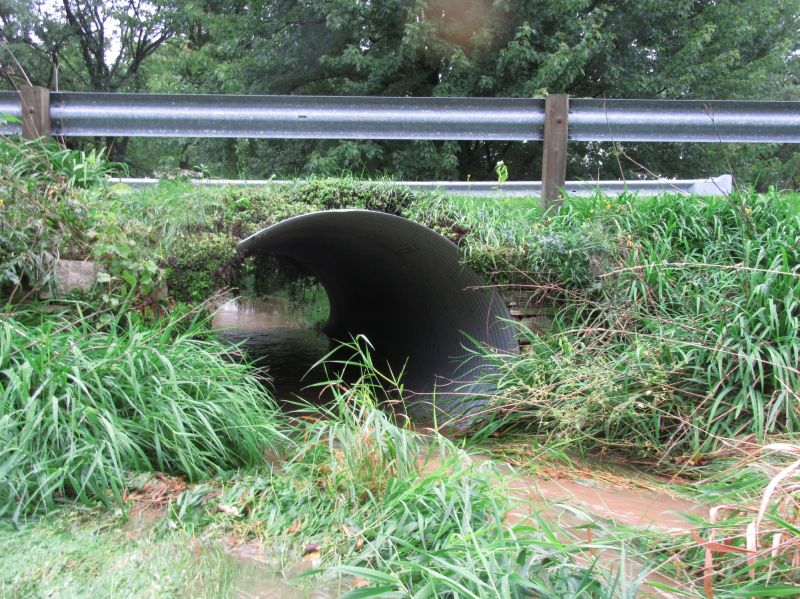
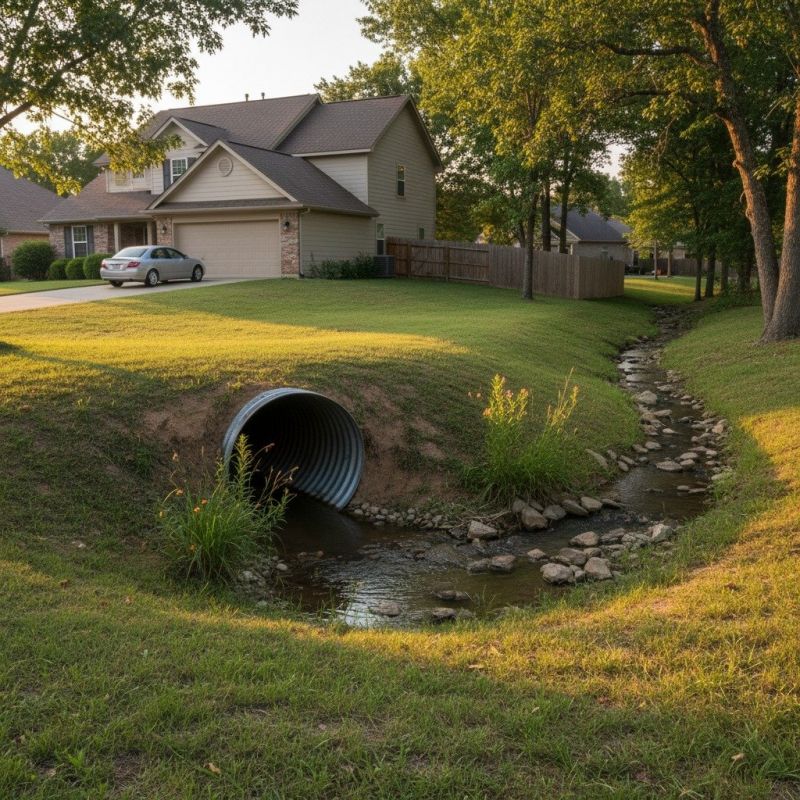
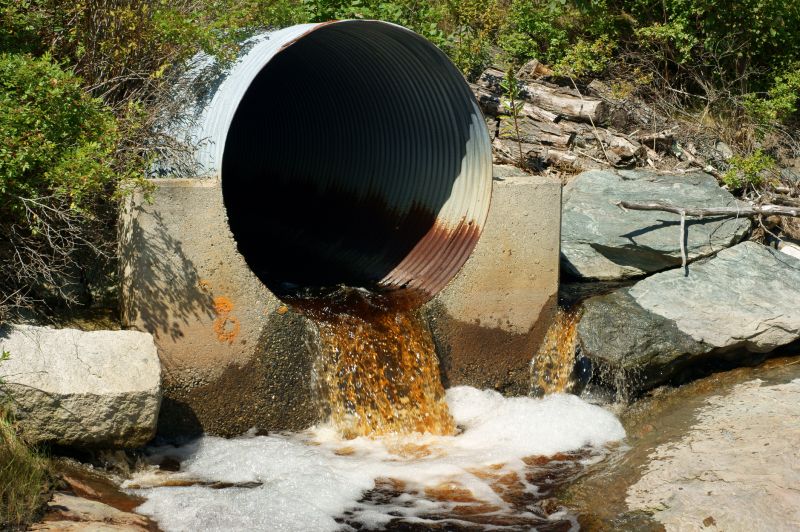
Culvert installation services involve the placement of structures designed to allow water to flow beneath roads, driveways, or landscaped areas. These structures are typically made from materials like concrete, metal, or plastic, and are carefully embedded into the ground to create a durable passage for water runoff or stream crossing. Proper installation ensures that water moves efficiently without causing erosion or flooding, helping to maintain the integrity of the property’s landscape and infrastructure.
This service is essential for addressing drainage problems that can lead to water pooling, soil erosion, or property damage. When a property experiences frequent flooding during heavy rains or when water runoff causes erosion along driveways or lawns, culverts can provide an effective solution. They help redirect water away from structures and prevent standing water that could weaken foundations or create hazardous conditions. Installing a culvert can also improve access to certain areas by preventing water from blocking pathways or driveways.
Properties that typically use culvert installation services include residential homes with driveways crossing streams or drainage channels, farms, and rural properties with large outdoor spaces. Commercial properties situated along waterways or with extensive landscaping may also require culverts to manage water flow effectively. In urban areas, culverts are often installed under roads or parking lots to ensure proper drainage and prevent water accumulation that could disrupt traffic or damage pavement.
Homeowners who notice persistent water pooling, erosion near driveways, or flooding during storms might consider culvert installation as a practical solution. It’s a helpful service for those looking to protect their property from water-related issues, improve drainage, and ensure long-term stability of outdoor spaces. Local contractors experienced in culvert installation can assess the property’s specific needs and recommend the appropriate size and type of culvert to effectively manage water flow and prevent future problems.
The overview below groups typical Culvert Installation projects into broad ranges so you can see how smaller, mid-sized, and larger jobs often compare in your area.
In many markets, a large share of routine jobs stays in the lower and middle ranges, while only a smaller percentage of projects moves into the highest bands when the work is more complex or site conditions are harder than average.
Smaller Repairs - Typical costs for minor culvert repairs or replacements often range from $250 to $600. Many routine jobs fall within this middle range, depending on the extent of work needed and site conditions.
Standard Installation - Installing a new culvert for a standard driveway or drainage project generally costs between $1,000 and $3,000. Local contractors often perform these projects within this range, with some variation based on materials and site access.
Full Replacement - Replacing an existing culvert entirely can range from $3,500 to $8,000 or more for larger or more complex projects. These higher costs reflect the scope of excavation, materials, and site preparation involved, with fewer projects reaching the top end of this range.
Larger, Complex Projects - Major culvert installations or replacements, especially those involving significant excavation or custom engineering, can exceed $10,000. Such projects are less common and typically require detailed planning and specialized equipment.
Actual totals will depend on details like access to the work area, the scope of the project, and the materials selected, so use these as general starting points rather than exact figures.
Drainage System Installation - professionals who install drainage systems often use similar planning and excavation skills as culvert installation to manage water flow effectively.
Roadway and Driveway Construction - this work involves site preparation, grading, and the use of heavy equipment, aligning with the skills needed for culvert projects.
Stream and Creek Crossings - building crossings requires installing structures like culverts to allow water passage while supporting transportation routes.
Erosion Control Projects - implementing erosion control measures often involves installing underground piping and drainage solutions comparable to culvert work.
Stormwater Management Systems - designing and installing systems to handle stormwater runoff shares planning and installation techniques with culvert services.
Land Clearing and Excavation - site preparation through land clearing and excavation provides foundational skills applicable to culvert installation projects.
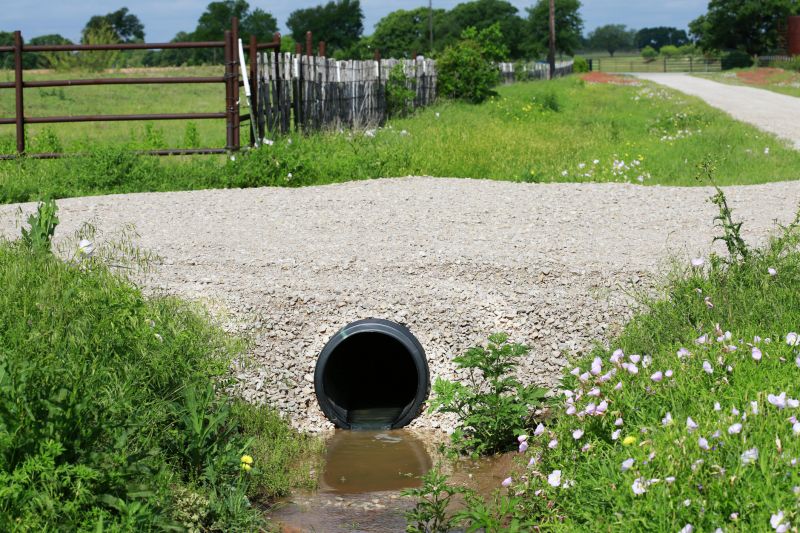
When comparing service providers for culvert installation, it’s important to consider their experience with similar projects. Homeowners should look for local contractors who have a proven track record of handling culvert work comparable to the scope and complexity of the project at hand. Asking about past projects or requesting examples of completed work can help gauge whether a contractor’s expertise aligns with the specific needs of the site. A contractor’s familiarity with local soil conditions, drainage requirements, and local regulations can also be valuable indicators of their ability to deliver a successful outcome.
Clear and detailed written expectations are essential when evaluating potential service providers. Homeowners should seek proposals that outline the scope of work, materials to be used, and any relevant project milestones or responsibilities. Having this information documented helps prevent misunderstandings and ensures that both parties are aligned on the project’s goals. It’s also beneficial to clarify what is included in the service, such as site preparation or cleanup, to avoid surprises later on. Well-defined expectations contribute to a smoother process and a more transparent relationship with the contractor.
Reputable references and good communication are key factors in selecting a reliable contractor. Homeowners are encouraged to ask for references from previous clients who had similar culvert installation work completed. Contacting these references can provide insights into the contractor’s professionalism, punctuality, and quality of work. Additionally, effective communication throughout the project-such as prompt responses to questions or concerns-can significantly impact the overall experience. Service providers who prioritize clear, open dialogue and maintain transparency are often better equipped to meet expectations and address any issues that may arise during the project.
Property owners use Culvert Installation services for practical projects around their homes and businesses. This guide focuses on everyday jobs and straightforward project options.
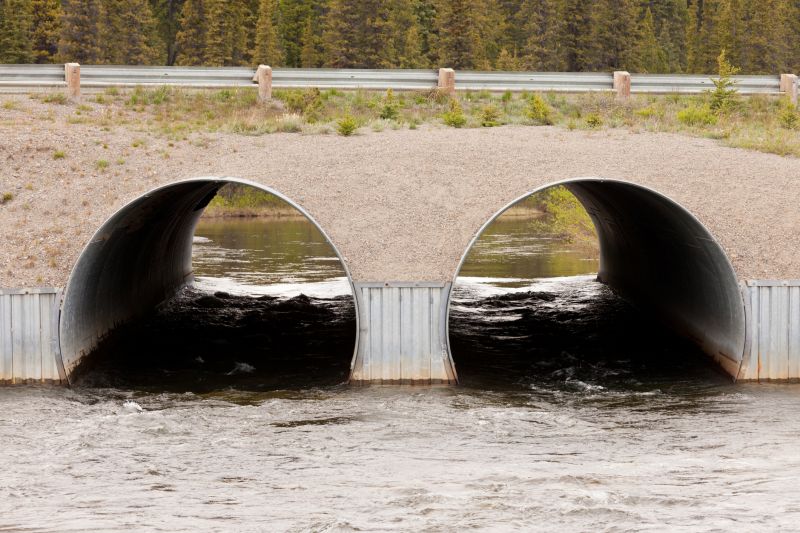
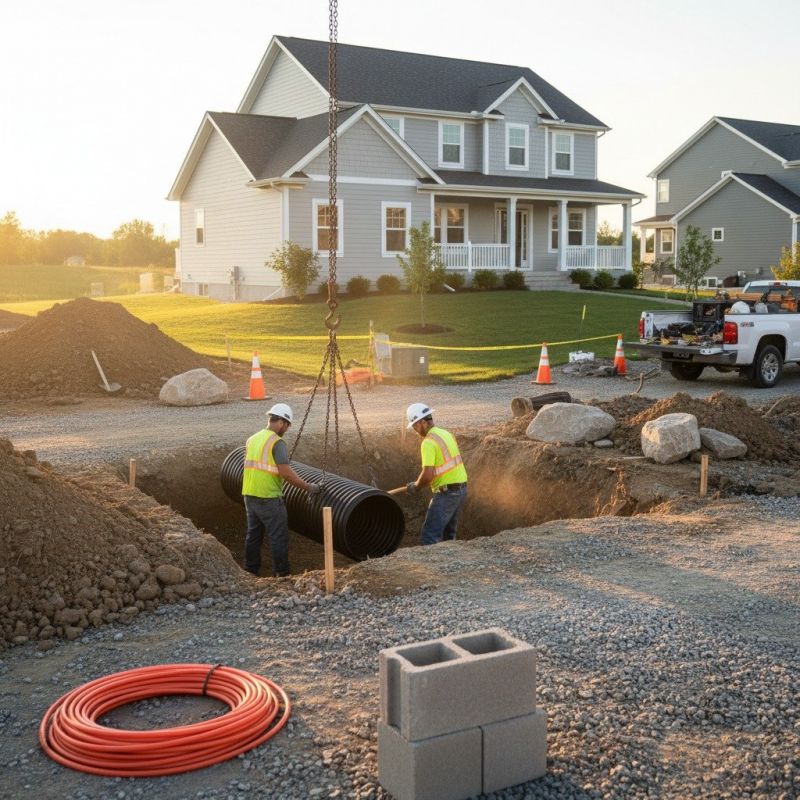
Culvert installation is often needed when property owners are managing drainage issues or preparing land for construction projects. Whether it's redirecting water flow to prevent flooding, improving drainage around a driveway, or creating a reliable passageway beneath a road or pathway, local contractors can provide the expertise to handle these tasks efficiently. These projects are common in areas with changing weather patterns or uneven terrain, making proper culvert setup an important part of maintaining property integrity.
Property owners might also seek culvert installation services when upgrading existing drainage systems or addressing erosion concerns. Properly installed culverts help protect landscaping, foundations, and infrastructure by ensuring water moves safely away from structures. Local service providers can assess the specific site conditions and recommend solutions tailored to the property's needs, making sure drainage systems function effectively and reduce potential damage over time.
What is involved in culvert installation? Culvert installation typically includes preparing the site, excavating a trench, placing the culvert pipe or structure, and backfilling the area. Local contractors can handle these steps to ensure proper drainage and structural integrity.
How do I determine the right type of culvert for my property? The suitable culvert type depends on factors like water flow, soil conditions, and the purpose of the installation. Experienced service providers can assess these factors to recommend the best options.
What materials are commonly used for culverts? Common culvert materials include corrugated metal, concrete, and plastic. Local contractors can advise on the best material based on your project's specific needs and site conditions.
Are there any permits required for culvert installation? Permit requirements vary by location and project scope. Local service providers can help determine if permits are needed and assist with the application process if applicable.
What maintenance is needed after culvert installation? Maintenance may involve inspecting for blockages, ensuring proper water flow, and repairing any damage. Local contractors can provide guidance on ongoing upkeep to keep the culvert functioning properly.
Drainage Improvement - Property owners can enhance water flow around their home to prevent pooling and erosion by installing a culvert where necessary.
Driveway Protection - Installing a culvert under a driveway can help manage runoff and keep access clear during heavy rains.
Garden and Landscape Drainage - Proper culvert placement can direct excess water away from gardens, protecting plants and soil stability.
Property Drainage Planning - Local contractors can assist in designing a drainage system that effectively manages water flow across the property.
If you are thinking about Culvert Installation for a property, this guide is meant to help you understand the work, the typical project types, and how different options might fit your plans.
When you are ready, you can use the quote form on this page to share a few details about your project. From there, local pros can review the basics and respond with options that match what you have in mind.